Updated 2026-08-25
Automatic Pool Cover Track Mechanisms and Drive Systems
The longevity and daily reliability of an automatic swimming pool cover depends on the mechanical geometry between the guide tracks, the drive motor powerhead, and the roll tube drum assembly. This master guide reviews track placement tolerances, electrical planetary gearboxes versus hydraulic propulsion, and structural vault drainage requirements.
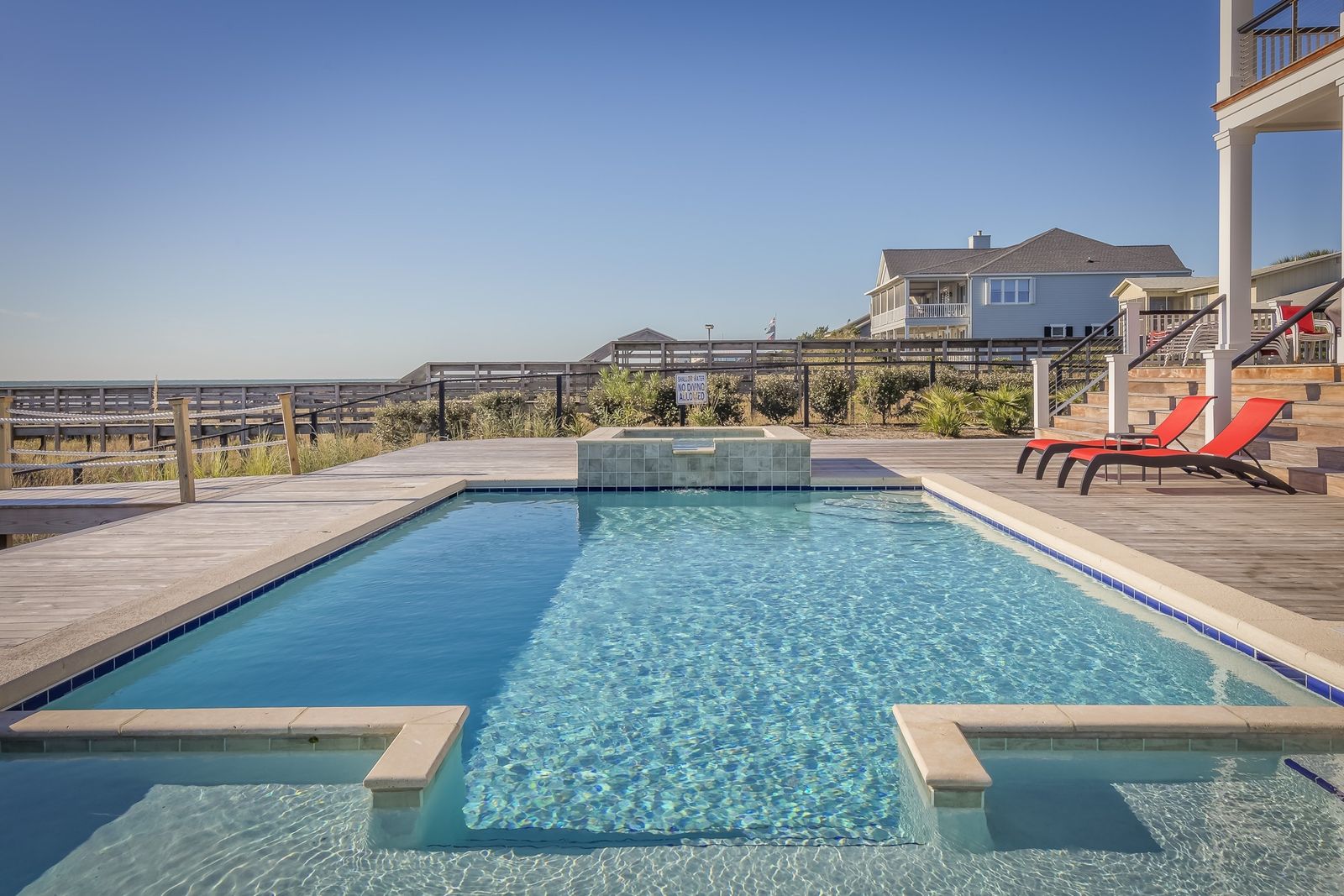
Undertrack vs Top-Track Mechanical Geometry
Automatic pool cover tracks guide the leading edge bar and contain the heavy-duty vinyl fabric along the length of the pool. The two primary architectures represent distinct construction phases and mechanical characteristics.
Undertrack systems mount the aluminum extruded guide channels beneath the cantilevered pool coping stone inside a dedicated recess. This hides all hardware from the walking surface, providing the cleanest architectural profile. However, it requires precise rectangular pool geometry with zero wall bow and a dedicated sub-grade concrete vault at the deep end.
Top-track systems mount low-profile, beveled aluminum tracks directly onto the deck surface outside the pool perimeter. While visible on the patio, top-tracks accommodate existing pool retrofits and freeform pools, requiring no sub-deck vault demolition.
| Feature | Undertrack System | Top-Track System | Recessed Top-Track |
|---|---|---|---|
| Best Construction Phase | New pool builds | Existing pool remodels | Patio replacement |
| Visual Profile | 100% hidden under coping | Surface deck mounted | Flush with deck slot |
| Housing Vault | Sub-grade concrete vault | Deck bench housing | Sub-grade or bench |
| Pool Shape Limits | Strict rectangular | Rectangular & freeform | Rectangular pools |
Drive Powerheads: Electric Planetary vs Hydraulic Drive
Selecting the right drive motor determines how the mechanism handles wet fabric friction, snow loads, and safety reversing requirements.
Electric planetary motors use sealed, low-voltage DC or 110V/220V AC motors coupled to planetary gearboxes. They offer electronic torque-sensing limit switches, electronic soft-start, and key-switch or touchpad integration. However, they must be protected from vault flooding with positive gravity drainage.
Hydraulic drive mechanisms place all high-voltage electrical components on the equipment pad away from the pool vault. Hydraulic pressure lines deliver fluid to a compact hydraulic motor mounted directly to the roll tube shaft. Hydraulic drives deliver exceptional torque, cannot short out from vault flooding, and are the industry benchmark for commercial and extra-large residential pools.
Roll Tube Deflection & Pulley Cable Synchronization
As pool widths exceed 20 feet (6 meters), the center of the anodized aluminum roll tube experiences gravitational deflection under the weight of water-soaked vinyl fabric. If deflection exceeds 1/2 inch across the span, the fabric rolls unevenly, causing wrinkles, track binding, and premature rope wear.
Rope drums and guide pulleys must be aligned squarely to ensure the aircraft-grade stainless steel or Kevlar drive cables deploy at identical linear velocities on both port and starboard tracks.
What to read with this page
Use the parent hub for the product family, then stay inside this cluster for the decision you still have open. The related cards below are the three pages that usually settle the next question without sending you back to a generic search.
If travel is already unsafe, leave the guide and open repair. If you need a preliminary system read, use request system advice with photos of both ends and both long sides.
Questions
- Can an automatic pool cover mechanism be submerged in water?
- Electric motors will suffer internal water damage if submerged. High-performance installations require a minimum 3-inch gravity drain pipe at the bottom of the concrete mechanism vault or an automatic sub-pump. Hydraulic motors can withstand immersion without electrical failure.
- What is the maximum pool length an automatic cover track can support?
- Standard residential track systems reliably operate on pools up to 60 to 75 feet in length. Beyond 80 feet, dual-motor tandem systems or heavy-duty commercial track extrusions are required to overcome cable friction.
Parent hub: Track Systems