更新 2026年8月
Automatic Pool Cover Repair
Automatic pool cover repair starts with the symptom, not with a parts list. Stop using the cover if travel is violent, fabric leaves the track, or water is overloading the leading edge. Owners can check power, water level, and obvious debris. Electrical, hydraulic, high-tension rope, and safety-critical fabric work belong to trained technicians.
Symptom flowchart
Match what you see to a likely cluster before anyone orders a motor. Many no-travel calls are a tripped breaker, a flooded box, or a cover that is no longer square in the tracks. Use the child pages for the full stop-use list.
横向滑动以对照每一列。
| Symptom | Safe owner check | Go to | Stop and call |
|---|---|---|---|
| Will not open | Key, breaker look, debris, water on the sheet | Will not open page | Burn smell, leak, fabric out of track |
| Will not close | Path, key, tracks | Will not close page | Bent bar, jump-out |
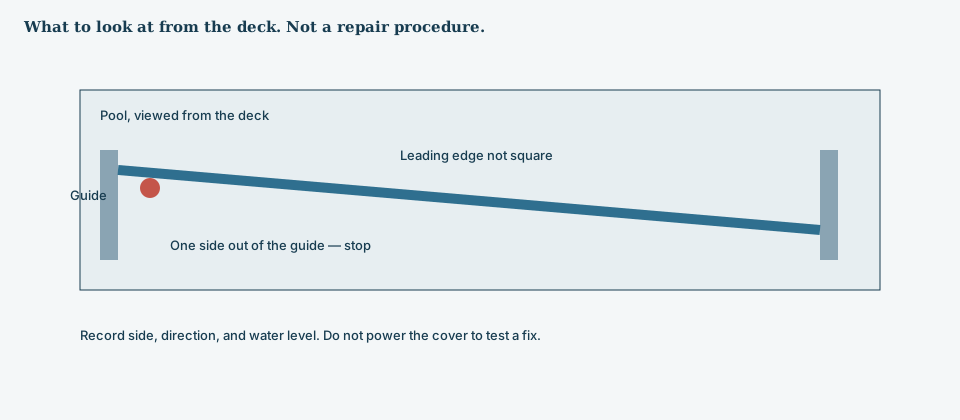
| Runs crooked | Water level, track trash | Runs crooked page | Fabric leaving the guide |
| Sagging | Operating water level | Sagging page | Failed webbing |
| Standing water | Pump if the design allows it | Water on cover page | Twisted leading edge |
| Noise or stall | Clear the leading edge | Motor problems page | Hot motor or pack |
What not to do
Do not stand on the cover to push it home. Do not cut webbing under tension. Do not open a hydraulic pack or a wet motor box. Do not bypass a key switch so the cover can run unattended.
Owner checks versus technician work
Owners can look at the key, the breaker from a dry location, water level, and obvious debris. They can pump standing water if the cover is designed for a cover pump. They should not reset a tripped loop by holding the key, cut webbing, or open a box that is wet.
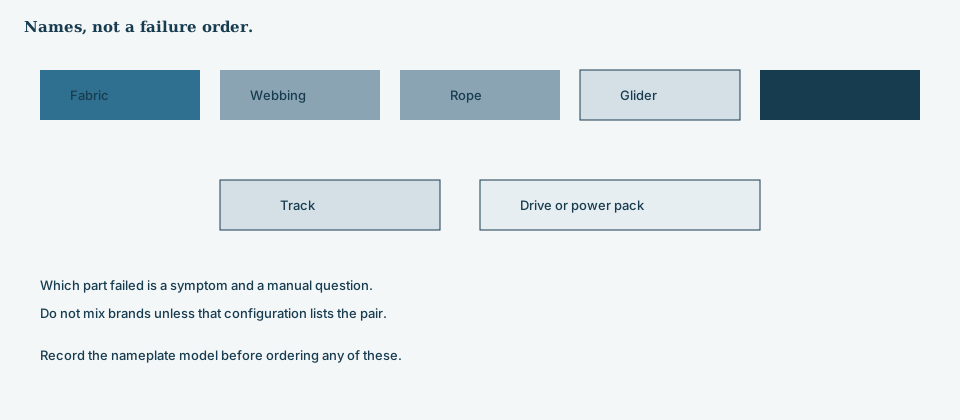
Electrical and hydraulic pages stay diagnosis-only. The motor and track repair pages list the stop-use line. Parts names what to photograph before a tech visit.
After a storm or a stall
Clear the deck, check that fabric is still in both guides, and pump if the sheet is holding a pond. Do not run travel to "see if it is fine." A stall mid-run often needs limit and webbing inspection even if the motor still hums.
| After | Safe first step | Do not |
|---|---|---|
| Heavy rain | Pump, then inspect the leading edge | Drive through a pond |
| Wind-blown trash | Clear tracks from the deck | Grind grit into the rail |
| Power outage | Find the disconnect and wait for a tech if limits are lost | Bypass the key |
| Someone walked the sheet | Stop use and inspect webbing | Treat it as a successful test |
What to read with this page
Use the parent hub for the product family, then stay inside this cluster for the decision you still have open. The related cards below are the three pages that usually settle the next question without sending you back to a generic search.
If travel is already unsafe, leave the guide and open repair. If you are still planning a system, work through the planning checklist and bring the answers to the people who will measure and install it.
常见问题
- Can I run the cover with standing water on it?
- Usually no. Extra load twists the leading edge and strains ropes. Pump first if the cover design allows a cover pump.
- The motor hums but nothing moves. Is that owner work?
- No. Hum with no travel can be a bind, a failed coupling, or a hydraulic problem. Clear the path, then call a cover technician. Do not hold the key.
- Should I order a motor from a photo?
- Not first. Many no-travel calls are water, trash, or a cover that left the track. Use the parts diagram to name what you photographed, then let a tech confirm the SKU.
上级栏目: Automatic Pool Covers